
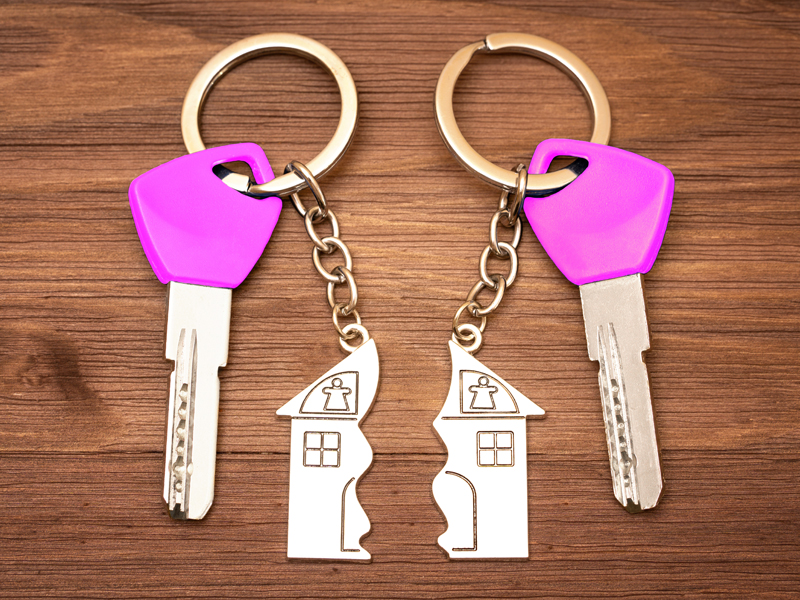
The Critical Role of Property Valuation in Divorce Proceedings
As an experienced divorce solicitors in Weybridge, at Prentice Family Law have witnessed countless divorce settlements become unnecessarily protracted due to disagreements over property valuations. The matrimonial home often represents the most significant asset in a marriage, and establishing its true market value becomes a pivotal element in achieving a fair settlement. When parties cannot agree on what their property is worth, the entire negotiation process can grind to a halt, creating additional stress and expense for everyone involved.
Property valuation disputes arise for various reasons, and understanding these underlying causes is essential for anyone navigating divorce proceedings. Emotional attachment to the family home can cloud judgement, leading one party to overvalue the property whilst the other seeks to minimise its worth. Market conditions may be uncertain, professional valuers might provide differing opinions, and hidden structural issues could affect the true value. These factors combine to create a complex landscape that requires careful navigation by experienced divorce solicitors in Weybridge.
Common Sources of Valuation Disagreement
The most frequent disputes we encounter stem from parties obtaining separate valuations from different surveyors. Estate agents and professional valuers may provide figures that vary by tens of thousands of pounds, particularly in volatile property markets. One spouse might choose a valuer who provides a more favourable assessment for their position, whether that means a higher or lower figure depending on their financial interests in the settlement.
The Impact of Market Timing
Property markets fluctuate considerably, and the timing of a valuation can significantly affect the outcome. A valuation conducted during a market downturn will naturally differ from one performed during a period of growth. This temporal element adds another layer of complexity to negotiations, as parties may disagree about when the valuation should be dated and whether current market conditions truly reflect the property’s worth.
Renovations and Improvements
Disagreements frequently arise when one party has invested significant time or money into property improvements. Calculating the added value of extensions, renovations, or even regular maintenance becomes contentious when one spouse believes their contributions should be reflected in a higher valuation. Conversely, the other party might argue that such improvements have not materially increased the market value or that they represent standard upkeep rather than value-adding enhancements.
How Valuation Disputes Delay Settlement
When parties cannot reach consensus on property values, the negotiation timeline extends considerably. Each side may commission multiple valuations, leading to increased costs and prolonged uncertainty. The emotional toll of these delays cannot be understated, as families remain in limbo whilst experts debate figures and solicitors exchange correspondence. In some cases, what should be a straightforward settlement becomes a drawn-out battle that benefits no one except perhaps the professional advisers accumulating fees.
The financial implications extend beyond professional fees. Properties may need to remain unsold whilst disputes continue, preventing both parties from moving forward with their lives. Mortgage payments and maintenance costs continue to accrue, and opportunities to purchase new properties might be missed due to the uncertainty surrounding available funds.
Strategies for Resolving Valuation Disputes
The most effective approach involves appointing a single joint expert valuer whom both parties agree to instruct. This method eliminates the “battle of the experts” scenario and provides a neutral assessment that courts generally respect. Alternative dispute resolution methods, such as mediation, can also help parties reach agreement on valuations without resorting to costly court proceedings.
Understanding how valuation disputes affect divorce settlements enables parties to approach negotiations more strategically. By recognising the common pitfalls and adopting collaborative approaches to establishing property values, couples can achieve fairer outcomes whilst minimising both financial and emotional costs. The key lies in obtaining objective, professional advice early in the process and maintaining realistic expectations about property values throughout negotiations.